

Is Education Dangerous?
The Trump Administration may think education is dangerous. While our students were immersed in the culture of D.C., the White House was announcing cuts to educational programs. Students interested in studies related to social work, early childhood education, the arts, and more will find it difficult to qualify for federal loans due to the future earning potential of those degrees.
At the collegiate level, educators have been asked to reevaluate programs that relate to diversity and inclusion, and to restrict students’ ability to protest on campus. This is in addition to a push to eliminate positions of those who teach critical history and other humanities, the bans on transgender women in collegiate sports, and a push to reduce funding for research. And schools are struggling to recruit and retain international students, with a 20 percent decline from 2025 to 2026.
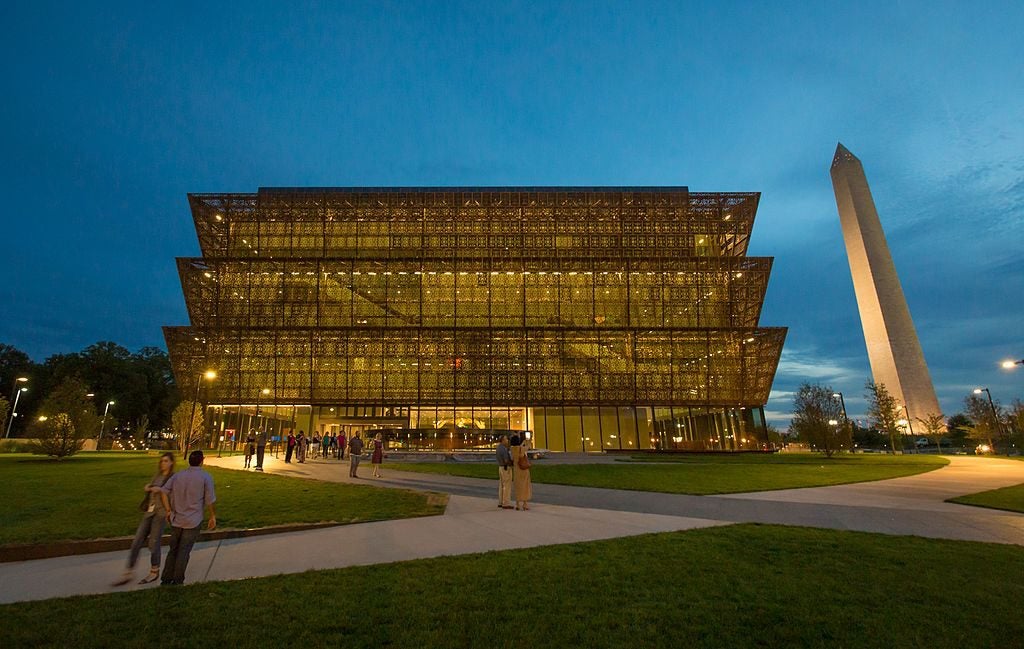
The National Museum of African American History and Culture in Washington, DC (Creative Commons free to share and use.)
This past week I had the opportunity to travel with a dozen Phillips seminarians, Dr. Arthur Carter and Dr. Eric Gill to Washington, D.C., as a part of the students’ immersion trip experience. While there, we visited Capitol Hill, learned from many denominational organizations engaged in advocacy work, visited churches engaged in meaningful ministries, and had a private tour of the National Museum of African American History and Culture.
Touring the Smithsonian stirred courteous and engaging questions and launched conversations that will last far beyond our trip. It was a powerful reminder of the power of education.
Perhaps that’s why Trump signed an executive order calling for signs to be placed outside of the museums — quality education equips, empowers and enlightens the mind. Education also breaks the false narratives perpetuated by Christian Nationalism and threatens those who maintain their power by proclaiming myths of who we are as a nation.
As a former resident of the city, it was great to see it again through the eyes of our students and to learn alongside them. Our time together drove home the importance of learning both inside and outside the classroom. Our conversations brought together theology and practice in ways that were both affirmational and challenging. I pray that these students will be better theologians and better ministers because of our time in Washington. The benefits of education were evident, but is education also dangerous?
Should we fear letting students do the type of integrative education that brings together the classroom and the reality of society? I don’t think so, and this past week has affirmed that we should encourage this type of learning. Immersions allow us to get out of the traditional classroom and out into spaces at the intersection of theory and praxis.
Our time in Washington has reinforced the importance of these immersion trips and the importance of educational opportunities that continue to empower and equip. I give thanks to institutions like Phillips that continue to provide such education, and for donors who invest in our students.
But our conversations with advocacy partners reminded me of our call to protest legislation and actions that harm others. Contact your representative or senator to let them know of the recent changes to the Department of Education (the NEA makes it easy for you). Or join the National Parents Union to get involved in protecting schools at the Federal and State level.
Education is powerful, and for some, that makes it dangerous.
Comments are closed.